
Thru-hiking has really picked up steam in popularity – so much so that outdoors organizations and national forests are having to implement permits to take control of overuse. Regardless, thru-hiking goes way back to a time when it was not deemed the “cool” thing to do. It once wasn’t as highly coveted as it has become today, but it still offered the rewards that more and more adventure seekers have come to realize.
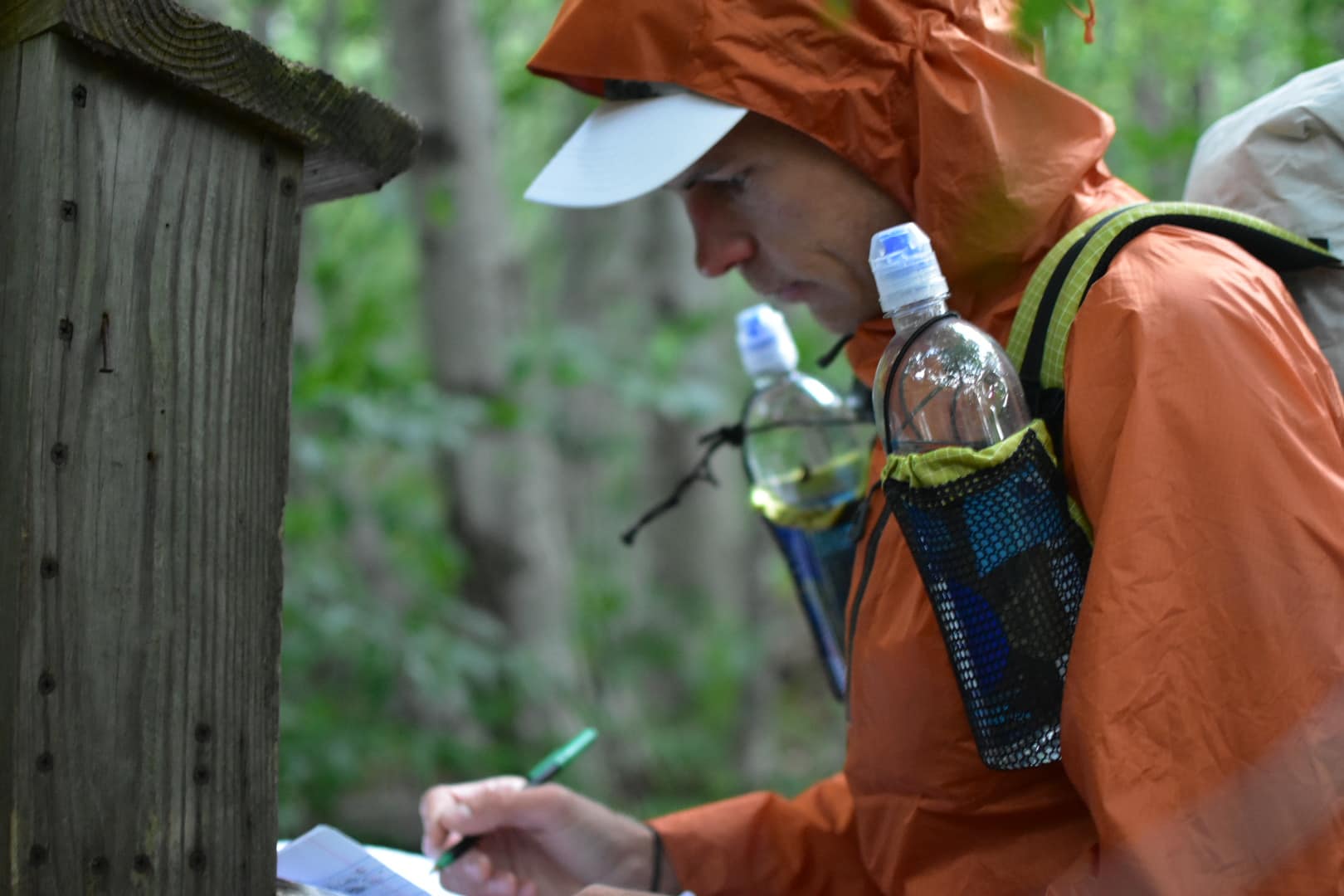
There are thru-hikers of all sorts of trails, not only around the country, but also worldwide. While thru-hikers and their adventures are in the spotlight, there is generally a piece of the journey that remains behind the scenes and in the shadows: the support crew. When I say support crew, I do not necessarily mean multiple people waiting at deemed trail-heads to cook for and dress the hiker in dry clothes, etc. More-so, I am referring to the spouse or family member who is left at home and have made themselves available at the drop of a hat if needed.

Before going through this once, it’s hard to imagine what to expect or truly gauge how to prepare yourself. For me, my fiance was heading on his journey to thru-hike The Long Trail – a trail that spans 273 miles from the MA/VT state line to the VT/Canadian border – and he’d never gone on a solo hike mission before and I, too, had never supported someone within this realm of a goal. For this reason, I’ve created a list of thoughts and ideas that I found to be worth noting for others supporting their loved one on a thru-hike:
- There are going to be lapses in communication – those longer than you’re used to – and you will find yourself worrying about the worst case scenario.
- Safety may be an overarching concern for both the hiker and the hiker’s family. Consider a GPS tracking device that can also send out an SOS alert if necessary. Some of these devices can also update loved ones at home of your current location.
- Your hiker is going to have bad days. Just be there for them and try to be a source of bright light within their darkness.
- Your hiker may question if this adventure is what they thought it might be. They may feel challenged by their expectations of the adventure being different from what the journey actually entails.
- There is going to be a planning process that takes place prior to the hike. This may be stressful, but it can also be a lot of fun because it is the start of the journey.
- While the support crew does not endure the actual adventure, that doesn’t mean that they cannot be part of it. Consider purchasing your own trail guide or finding an online forum with the shelters and mileage details. This can be a fun way to track your hiker’s progress and feel more knowledgeable about present and future segments they are facing.
- Plan trips to reconnect with your hiker when they have planned stops in town to refuel/rest. These will not only be good for you, but it will give your hiker something to look forward to.
- Injuries are possible. Be aware of this. It could change the plans entirely whether temporarily or so much so that the journey ends unexpectedly. As the support crew, be ready to just be there for your hiker because this is going to be a real bummer. While this obviously will take a physical toll, it can also have a negative emotional & mental effect.
- Plan times that you can head out and hike with your loved one. This will also be a source of something to look forward to.
- When you speak with your hiker, consider taking notes for them and dating the notes. This will help them to look back and reminisce on their trip, especially if they’re not the best at journal-ing.
- The end of the journey is always a really weird and surreal experience. Expect your hiker to go through an adjustment period of getting re-acclimated to societal norms and just everyday off-trail life. There may be times of longing for trail life within the daily grind.
- Make a big deal of the finish – it IS a big deal, truly. This type of goal takes a great deal of mental strength, physical strength, and determination. It’s a BIG accomplishment worth a celebration.
- Together, commemorate the adventure in a way you see fit. Remember, the next time around (if all goes well there will probably be a next time) you will already have an idea of what to expect …
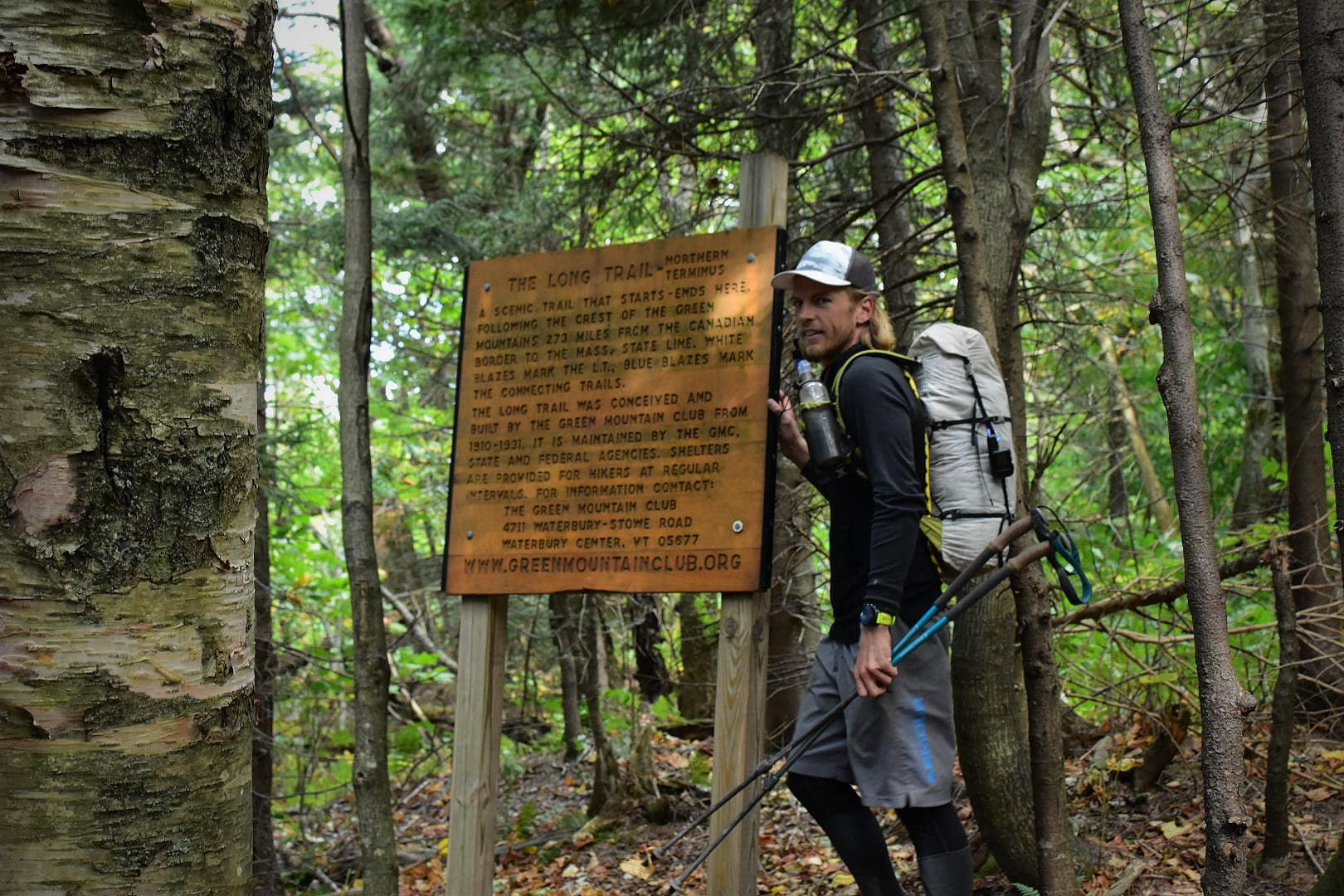
Chris, my fiance, attempted The Long Trail in 2017 and had to get off the trail due to injury. In 2018, he attempted The Long Trail for his second time – applying lessons from his first attempt – and completed the hike in just two weeks (he was moving fast and had a time constraint). Being his support crew back home, the second time around was easier than the first. I had a better idea of what to expect and was less nervous about the whole thing. In a future post, we will address the things to consider as the thru-hiker based off of Chris’ learnings (i.e. – plan to hike during thru-hiker season so there are more people available if you’re solo-ing). Of course, everyone’s journey is different, however, these are some basic tips that can apply to most.


 fullscend.com